
Hey it's sam,
If you saw my email yesterday, you'll know that I accidentally embeded a code into my website with a weird re-direct...
It sent everyone looking at certain pages of my website over to another website. A website that involved hiring other humans for sexual favours.
I do apologise for anyone that saw that, I am not lost on the irony that I teach healthy relationships and sexual relationships and this was the redirect page.
And so that's what I thought I would base this weeks newsletter topic on.
Healthy sexual relationships. So... if you don't want to read, this is the point you should click out.
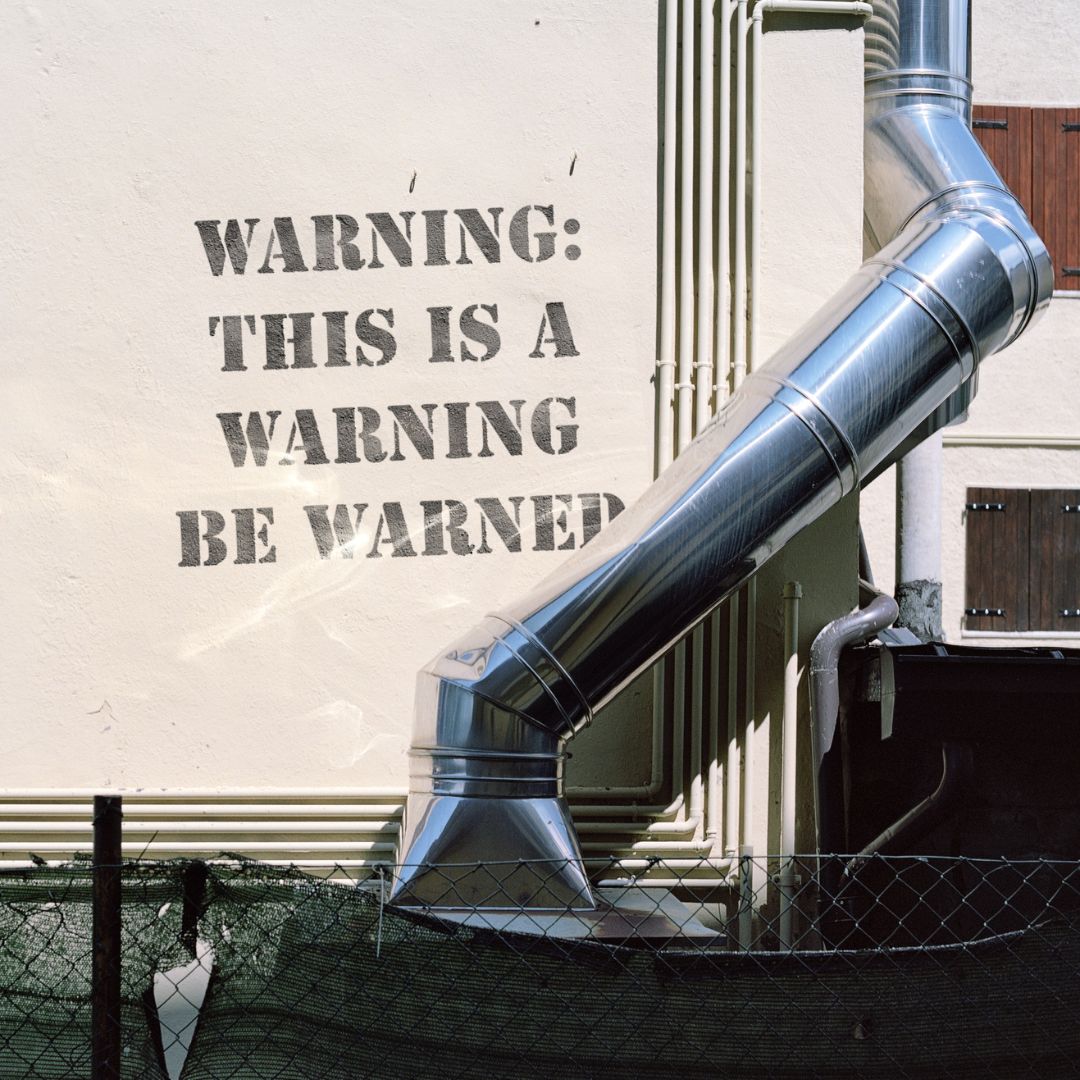
So somewhere along the way, we were sold a version of sex that was glossy, frictionless, and made-for-TV. And when our real-life experiences don’t line up with that, we start to internalise blame within ourselves, we start to create new beliefs about ourselves.
Culture, media, social media and porn have done a really good job of warping our expectations around sex. Not just in what it looks like, but in what it means—for our self-worth, our relationships and even our identity.
Today's newsletter is here to gently (but firmly) debunk the myths, unpack some uncomfortable truths, and offer a new path forward that feels a lot more grounded, connected, and human.
I’ve worked with hundreds of people who came to me thinking there was a problem with their sex life, sexual experiences or the lack of —when really, it was often misinformation, a belief system based on things they'd seen and heard. So if that’s you?
Let’s get into it.
Myth #1: Sex Should Always Be Spontaneous and Effortless
I'm going to blame Hollywood for this one. Movies and TV have trained us to believe that sex should just happen, driven by nothing but chemistry.
The truth is, planned intimacy normally leads to better sex.
I work with some people who are actually in relationship and advise about having planned connection time.
Planned connection times creates anticipation, lowers anxiety, and builds emotional safety. It doesn’t kill the mood—it gives it space to breathe.
So if you're single this is the point where you start reframing your beliefs around sex in a relationship being spontaneous like the movies.
Real, loving, comfortable and safe relationships don't always have spontinaity but what they are is long lasting, partners for life.
Myth #2: Sexual Performance Defines Masculinity or Femininity
Men feel pressure to perform. Women feel pressure to orgasm.
And when either doesn’t happen, a shame starts to creeps in.
I want to be clear: Sex isn’t a test that you pass. It’s a shared experience.
Self-worth should never hinge on how your body responds in a given moment. And if you've experienced this before, I'd invite you to start rethinking and reframing those beliefs.
Myth #3: More Sex Fixes Relationship Problems
I speak with a lot of people who have used sex in past relationships as a crutch. Mainly because it’s easier to have sex than to have a hard conversation. But these unresolved emotional wounds don’t disappear in the bedroom.
Sex can reflect connection but It doesn’t create it.
Healing starts with communication, not intercourse.
Myth #4: Pornography Reflects Real-Life Sex
Spoiler: It doesn’t.
Porn is scripted, edited, and designed to sell fantasy. It's not different to the latest movie you watched.
Real sex? It’s imperfect, emotional, sometimes awkward, often beautiful.
One client told me they felt there was something wrong with them because sex with their ex partners didn’t look or feel like porn.
When we started to work through that, they began to understand nervous system safety, emotional connection, and the real components of intimacy. And the shame (from feeling like their own sexual relationships didn't live up to what they saw) they felt before started to melt away.
Myth #5: Everyone Is Having More (and Better) Sex Than You
Social media is a highlight reel, not a truth-teller. People exaggerate. People lie. And no one’s posting about the weird moments or the months that they didn't have sex with their partner.
Healthy sexuality isn’t about how often or how crazy.
It’s about mutual satisfaction, communication, and consent.
Your sex life doesn’t need to look like anyone else's. It just needs to work for you.
Myth #6: Porn Isn’t That Big of a Deal
It seems harmless. But porn quietly rewrites your beliefs about sex. Here’s how:
-
Unrealistic Expectations: Porn promotes ideas about bodies, stamina, and orgasm that aren’t real.
-
Warped Scripts: It teaches "normal" sex as aggressive, impersonal, or always high-intensity.
-
Objectification: People become props, not partners.
-
Emotional Disconnection: Porn emphasises performance, not intimacy.
-
Trust Issues: Many hide their consumption, creating secrecy and distance.
-
Body Image: Constant exposure to unrealistic bodies changes your self-perception and the perception of what a human body looks like.
Again, this isn't to shame anyone who watches or has watched porn. This is simply a reminder that what you see on screen is no different to the tv series you're watching or the fiction book you're reading.
And as lonmg as you keep this in mind, there won't be any unneccessary expectations put onto you (by you) or onto someone else.
So why am I talking about this?
You may be wondering why, when most of the people on my email list are single...
... well because most of the people on my list (i'd say 95%) do eventually want to be in a loving happy and healthy relationship.
But most people have false expectations of what that looks like.
And if anyone has had bad sexual experiences previously, this manifests into any new experiences unless you start challenging your belief system.
And by becoming used to having these conversations, hearing and seeing information about healthy sexual relationships starts to change your mindset.
One study done found that 25% of individuals reported a difference in sexual desire compared to their partners.
So when you get into a relationship, you need to be able to communicate these things.

So I'll leave you with this last reflection before you go:
-
When you think about talking about sex—whether with a partner, a friend, or even just with yourself—what feelings come up for you? Are there specific thoughts or feelings—like shame, fear of judgment, or just plain awkwardness—that tend to get in the way? Naming them is a powerful first step.
-
What might shift if you could speak more openly about sex and intimacy? What would feel lighter, freer, or more true for you?
-
Is there one belief, thought, or pattern around sex or your sexuality that you're ready to outgrow? Just one thing you’re open to exploring or transforming?
And if you feel drawn to having a more open chat (no weirdness, judgement or awkwardness) hit reply and let me know you're reflections and we'll come up with an action plan.
xx
Sam
PS. if you are new here, or maybe you haven't opened many emails. This is my weekly newsletter, where I give hints and tips for you all.
if you want to make sure you see these useful emails each week, you must go and save my email address [email protected] in your emails and mark me as safe.
Here's a link to the first newsletter... enjoy

Responses